
Smart Traffic Management Systems: Future of Road Safety in India
India’s roads are evolving rapidly with growing urbanization, increasing vehicle ownership, and expanding highway networks. However, traffic congestion, road accidents, and inefficient traffic control remain major challenges for cities, industrial zones, and infrastructure projects. Traditional traffic management methods are no longer sufficient to handle modern transportation demands. This is where Smart Traffic Management Systems (STMS) are becoming essential for improving road safety and ensuring smoother traffic flow.
For companies, contractors, government bodies, and industrial facilities, adopting intelligent traffic solutions along with high-quality road safety equipment is now a necessity rather than an option.
What Are Smart Traffic Management Systems?
Smart Traffic Management Systems use advanced technologies such as sensors, AI-powered analytics, automated surveillance, and real-time monitoring tools to manage traffic efficiently. These systems help traffic authorities and infrastructure planners make data-driven decisions that enhance road safety and reduce congestion.
Unlike conventional traffic signals and manual traffic control, smart traffic systems automatically adjust signal timings, provide live updates to drivers, and improve enforcement through intelligent monitoring.
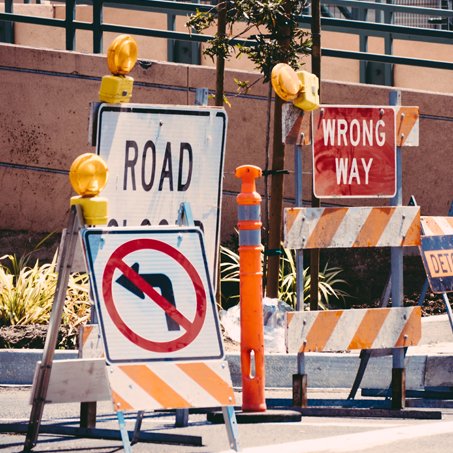
When combined with durable road safety products like reflective signage, traffic cones, barricades, and lane delineators, these systems create safer and more organized traffic environments.
Importance of Smart Traffic Management in India
India records a significant number of road accidents every year due to overcrowded roads, poor visibility, lack of proper signage, and ineffective traffic control measures. Smart traffic management plays a vital role in addressing these challenges by improving compliance with safety regulations and optimizing traffic flow.
With initiatives like Smart Cities Mission, highway modernization projects, and industrial corridor development, there is a growing demand for advanced traffic safety infrastructure. Organizations involved in road construction, urban development, and industrial operations are increasingly investing in intelligent traffic solutions to improve safety and operational efficiency.
Key Components of Smart Traffic Management Systems
Adaptive Traffic Signals
Smart signals analyze real-time vehicle movement and adjust signal timings to reduce waiting time and congestion at intersections. This improves commuter experience and lowers the risk of collisions.
Intelligent Surveillance and Monitoring
High-resolution cameras and automated monitoring systems help detect traffic violations such as overspeeding, signal jumping, and unauthorized lane changes. These technologies support effective traffic enforcement and accident prevention.
Variable Message Signage (VMS)
Digital message boards provide real-time alerts about road closures, diversions, accidents, and weather conditions. When supported by reflective road signage and proper barricading solutions, these systems ensure safer navigation for drivers.
Traffic Sensors and Data Analytics
Traffic sensors collect valuable data related to vehicle density, peak hours, and congestion patterns. This data helps authorities plan infrastructure improvements and deploy safety equipment strategically in high-risk zones.
Integrated Emergency Response
Smart traffic systems can instantly detect accidents or breakdowns and alert emergency services. Proper placement of traffic cones, barriers, and warning signs further helps in managing incident zones effectively.
Role of Road Safety Equipment in Smart Traffic Solutions
Even the most advanced traffic technology cannot function effectively without reliable physical safety infrastructure. High-visibility reflective road signs, durable traffic barricades, speed calming devices, and lane management products play a crucial role in guiding drivers and preventing accidents.
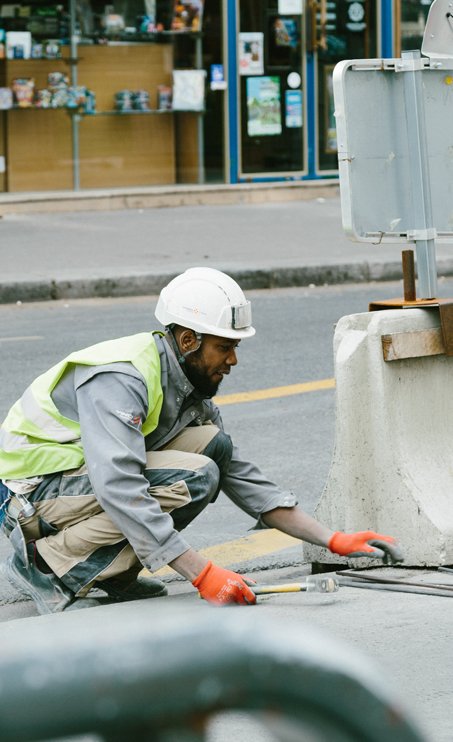
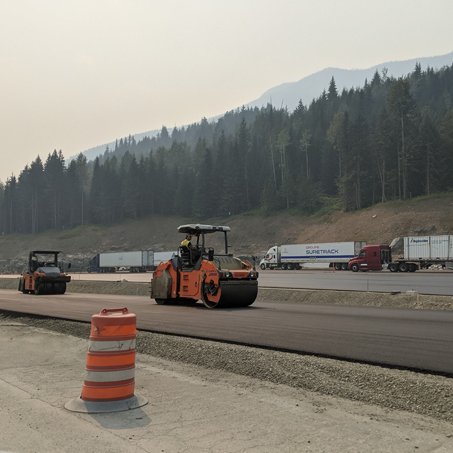
For example, during highway construction or maintenance projects, smart monitoring combined with strategically placed traffic cones and barricades can help control vehicle movement and reduce the risk of work-zone accidents. Similarly, reflective signage improves night-time visibility, ensuring safer travel conditions.
Companies that specialize in manufacturing and supplying quality road safety products contribute significantly to the successful implementation of smart traffic systems across urban roads, industrial premises, toll plazas, and large infrastructure projects.
Benefits of Smart Traffic Management Systems
Enhanced Road Safety
Automated monitoring, adaptive signaling, and improved visibility solutions help reduce human errors and prevent accidents.
Reduced Traffic Congestion
Real-time traffic control minimizes delays, improves vehicle movement, and enhances overall transportation efficiency.
Cost-Effective Traffic Operations
Although smart systems require initial investment, they reduce long-term operational costs by optimizing infrastructure usage and lowering accident-related expenses.
Environmental Sustainability
Efficient traffic flow reduces fuel consumption and vehicle emissions, supporting sustainable urban development.
Better Infrastructure Planning
Traffic data insights help authorities identify high-risk areas and deploy appropriate safety equipment such as signage, barriers, and delineators.
Future of Smart Traffic Management in India
The future of road safety in India will be shaped by innovations such as AI-based predictive traffic control, connected vehicle technology, smart pedestrian crossings, and IoT-enabled safety devices. Solar-powered signage and intelligent warning systems will also become more common as cities move toward sustainable transportation solutions.
As infrastructure development continues, the integration of smart technology with robust road safety products will be essential for creating efficient and accident-free road networks.
Conclusion
Smart Traffic Management Systems are transforming how traffic is monitored, controlled, and optimized in India. By combining intelligent technology with reliable road safety equipment, cities and industries can significantly improve traffic efficiency and reduce accident risks.
For contractors, infrastructure developers, and government authorities, investing in smart traffic solutions today means building safer and smarter roads for the future. As India moves toward digital and sustainable mobility, advanced traffic management supported by quality safety infrastructure will play a key role in shaping modern transportation systems.