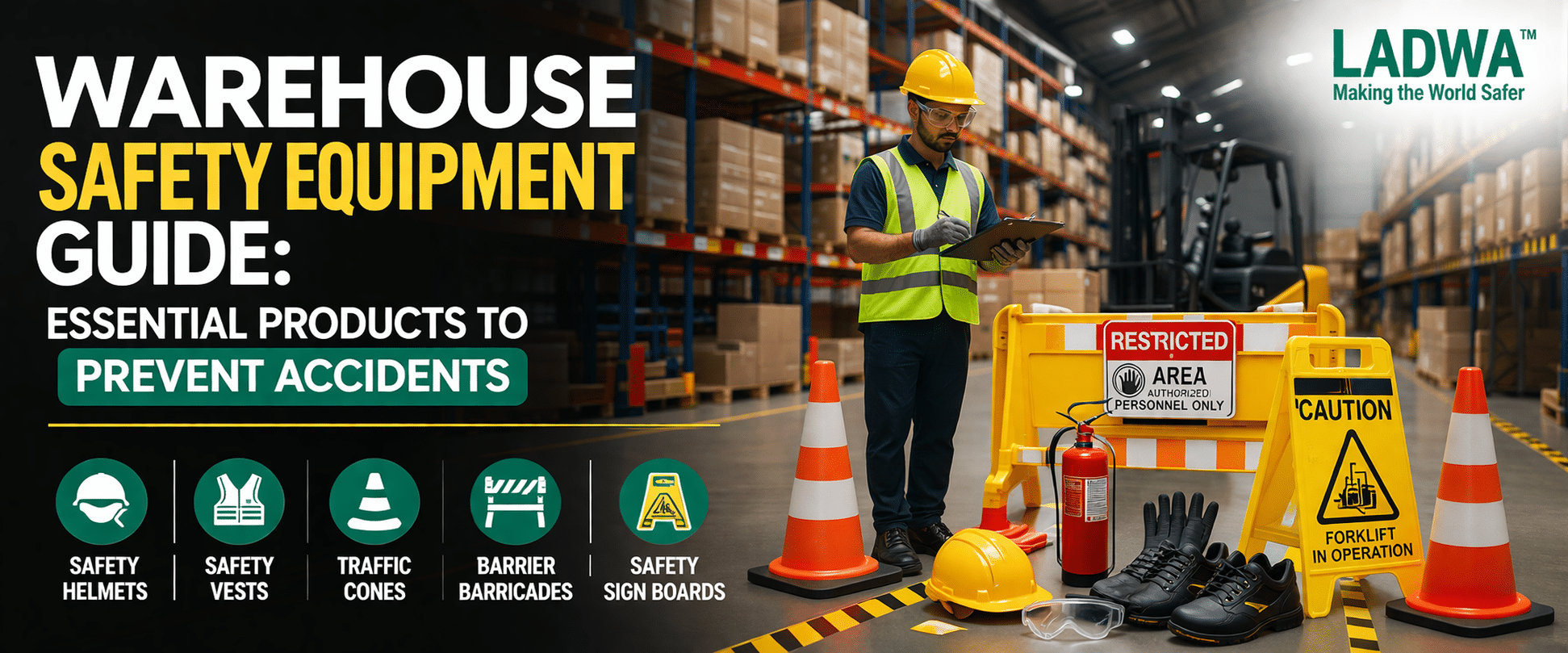
Warehouse Safety Equipment Guide: Essential Products to Prevent Accidents
Warehouse environments are fast-paced and high-risk, with constant movement of goods, machinery, and workers. Without proper safety measures, accidents such as slips, collisions, and injuries can occur frequently.
That’s why investing in the right warehouse safety equipment is crucial for protecting employees, improving efficiency, and ensuring compliance with safety standards.
This guide covers the essential safety products, their uses, and how they help prevent accidents in warehouse environments.
Why Warehouse Safety Equipment Is Important
Safety equipment plays a key role in minimizing workplace hazards and maintaining a secure working environment.
It helps in:
- Preventing injuries and accidents
- Improving worker productivity
- Ensuring compliance with safety regulations
- Reducing operational downtime
- Enhancing overall workplace efficiency
Businesses can explore 👉 road traffic safety equipment for high-quality industrial safety solutions.
Essential Warehouse Safety Equipment
Here are the most important safety products every warehouse should have:
1. Safety Helmets
Safety helmets protect workers from head injuries caused by falling objects or accidental impacts.
Benefits:
- Shock absorption
- Durable and lightweight
- Essential for construction & heavy-duty warehouses
2. Traffic Cones & Floor Markers
Traffic cones help define pathways, restrict areas, and warn about hazards. Floor markings improve organization and reduce confusion.
Use Cases:
- Marking forklift routes
- Highlighting danger zones
- Managing warehouse traffic
👉 Explore traffic safety products online for cones and marking solutions.
3. Road Barrier Barricades
Barricades are used to block restricted areas and control movement inside warehouses.
Benefits:
- Prevent unauthorized access
- Improve crowd and traffic control
- Enhance workplace safety
👉 Check road barrier barricades for strong and durable options.
4. Speed Breakers for Warehouse
Speed breakers help control the speed of forklifts and vehicles within warehouse premises.
Benefits:
- Reduces collision risk
- Improves pedestrian safety
- Controls vehicle movement
5. Convex Mirrors
Convex mirrors improve visibility at blind spots, corners, and intersections inside warehouses.
Benefits:
- Reduces collision risks
- Improves visibility
- Enhances navigation in tight spaces
6. Safety Sign Boards
Sign boards provide clear instructions and warnings to workers and visitors.
Examples:
- “No Entry”
- “Wear Helmet”
- “Forklift Zone”
They ensure workers remain aware of potential hazards.
Common Warehouse Hazards
Understanding risks helps in selecting the right safety equipment.
- Slips and falls due to wet floors
- Collisions with forklifts or machinery
- Falling objects from racks
- Poor visibility in blind spots
- Improper traffic management
Using the right safety products significantly reduces these risks.
How to Choose the Right Safety Equipment
Before purchasing warehouse safety equipment, consider the following:
Type of Warehouse
Different warehouses (logistics, manufacturing, retail) require different safety setups.
Traffic Movement
Analyze vehicle and pedestrian flow to decide placement of cones, barricades, and speed breakers.
Material Quality
Choose durable and weather-resistant products for long-term use.
Compliance Standards
Ensure products meet industrial safety norms and regulations.
Benefits of Using Warehouse Safety Equipment
- Reduces workplace accidents
- Protects employees and assets
- Improves operational efficiency
- Ensures compliance with safety laws
- Builds a safe working culture
Conclusion
Warehouse safety equipment is not just an option—it is a necessity for any business handling goods and machinery. By using the right products such as cones, barricades, helmets, and mirrors, warehouses can significantly reduce risks and improve overall efficiency.
Investing in high-quality safety solutions ensures long-term protection, better workflow, and a safer working environment for everyone.