 Introduction
Safety barricades are essential tools used to manage traffic, restrict access, and improve safety across various environments. From busy highways and construction zones to industrial facilities and public events, barricades play a key role in preventing accidents and maintaining order.
Choosing the right type of barricade is not just about blocking a path—it’s about ensuring visibility, durability, and compliance with safety standards. In this guide, we’ll explore the different types of safety barricades, their applications, and how to select the best one for your needs.
 What Are Safety Barricades?
Safety barricades are physical barriers designed to control or limit movement in specific areas. They help guide vehicles, protect pedestrians, and mark hazardous zones clearly.
These barricades are commonly used in:
- Road construction and maintenance projects
- Parking lots and traffic diversions
- Industrial and warehouse environments
- Public events and crowd control situations
By creating clear boundaries, safety barricades reduce confusion and significantly lower the risk of accidents.
 Types of Safety Barricades
1. Plastic Barricades
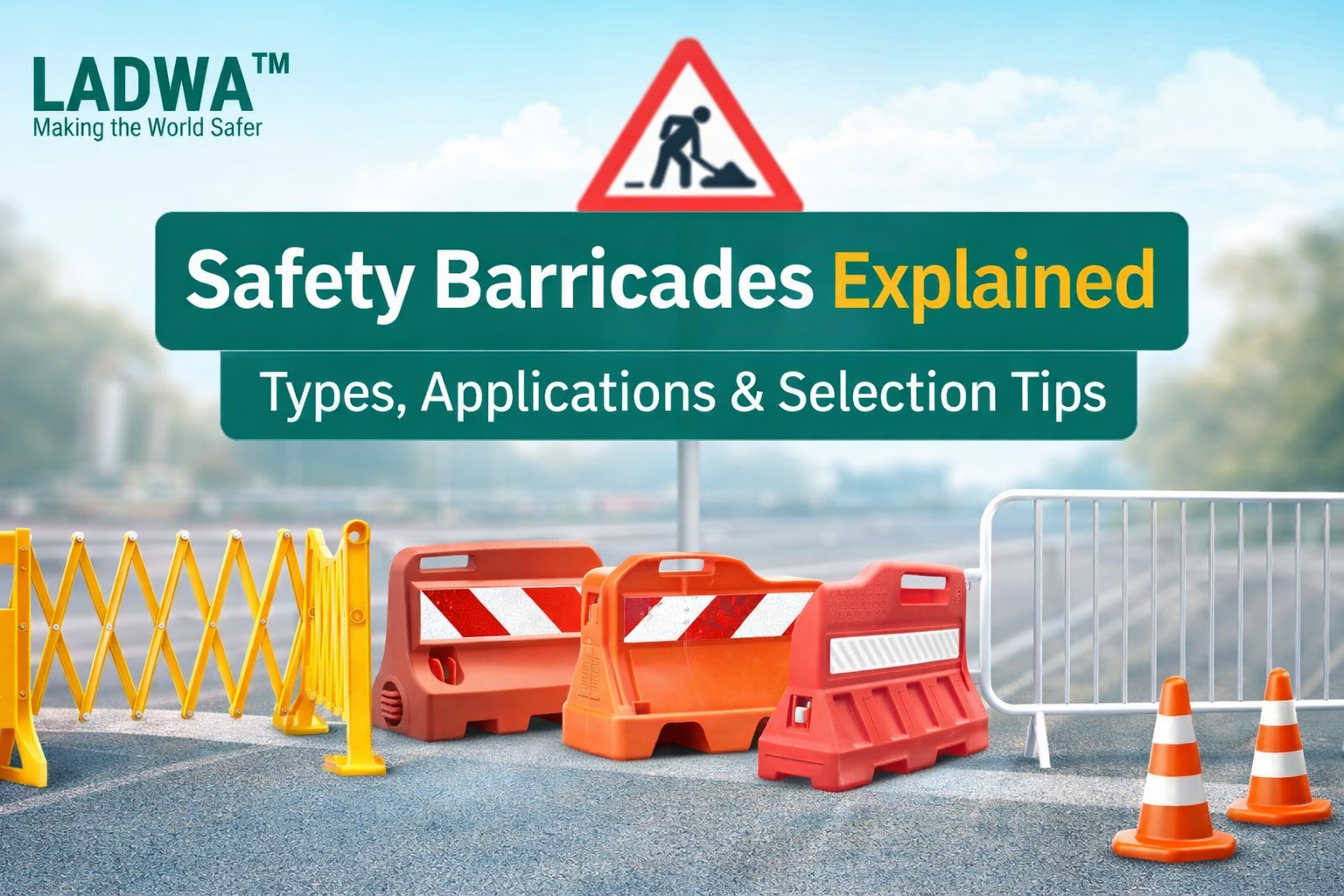
Plastic barricades are lightweight, durable, and easy to install. Many are designed to be filled with water or sand for added stability.
They are ideal for temporary setups such as road repairs, parking management, and urban traffic control. Their bright colors and reflective surfaces make them highly visible during both day and night.
2. Metal Barricades
Metal barricades are made from steel or iron and are known for their strength and long-lasting performance. These barricades are suitable for areas where durability and security are top priorities.
They are commonly used in construction sites, industrial zones, and high-security areas where a more permanent solution is required.
3. Expandable (Retractable) Barricades
Expandable barricades are flexible barriers that can be stretched and folded as needed. They are easy to transport and quick to deploy, making them perfect for temporary hazards or maintenance work.
These barricades are often used indoors or in situations where space-saving solutions are needed.
4. Water-Filled Barricades
Water-filled barricades are designed for high-impact areas such as highways and major roads. When filled, they provide excellent stability and can absorb impact during collisions.
They are widely used for lane separation, diversions, and accident-prone zones due to their strength and high visibility.
5. Crowd Control Barricades
Crowd control barricades are specifically designed to manage large groups of people. They help organize queues, restrict access to certain areas, and maintain order during events or emergencies.
These barricades are commonly seen at concerts, public gatherings, and security checkpoints.
 Applications of Safety Barricades
 Road & Traffic Management
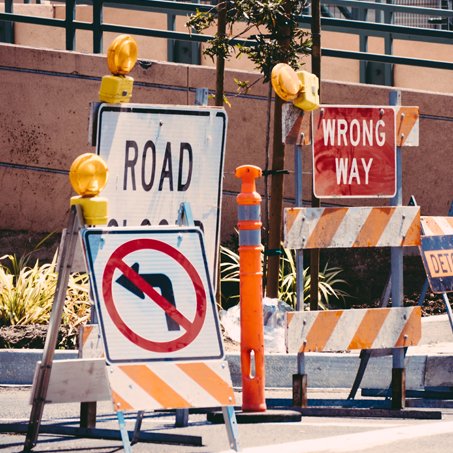
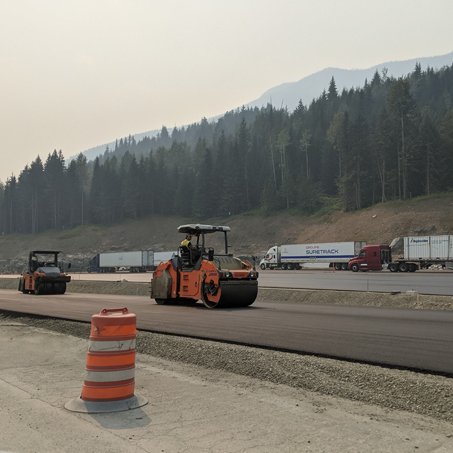
Safety barricades are widely used on roads to guide vehicles, mark construction zones, and prevent accidents. They help in lane closures, diversions, and traffic flow management.
 Industrial Safety
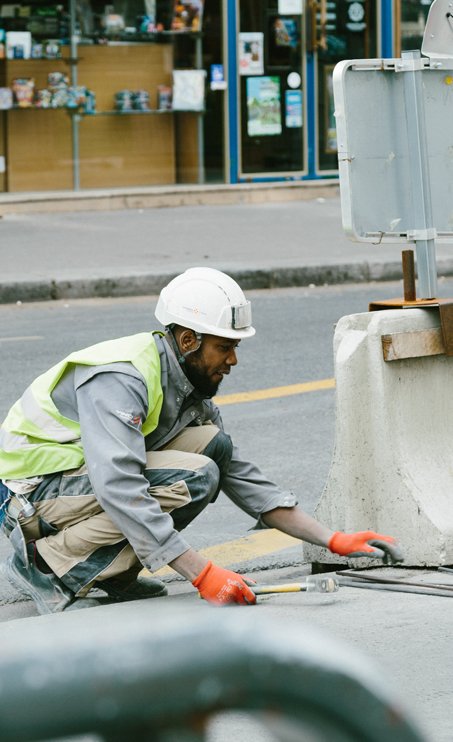
In industrial environments, barricades are used to mark hazardous areas, restrict access to dangerous zones, and protect workers from potential risks.
 Parking Management
Barricades help organize parking spaces, control vehicle movement, and prevent unauthorized entry into restricted areas.
 Event Management
During events, barricades are essential for crowd control, queue management, and ensuring the safety of attendees.
 Benefits of Safety Barricades
- Improve safety for both vehicles and pedestrians
- Reduce accidents and workplace injuries
- Enhance visibility with bright colors and reflective features
- Help maintain order in crowded or high-risk areas
- Easy to install, move, and reuse
 How to Choose the Right Safety Barricade
Selecting the right barricade depends on several important factors:
1. Purpose
Determine whether you need the barricade for temporary or permanent use. Temporary setups may require lightweight options, while long-term use demands stronger materials.
2. Location
Outdoor environments such as highways require durable and impact-resistant barricades, while indoor areas may need compact and flexible solutions.
3. Material
Plastic barricades are suitable for lightweight applications, while metal barricades provide strength and durability for heavy-duty use.
4. Visibility
Always choose barricades with reflective strips or bright colors to ensure visibility during low-light conditions.
5. Portability
If the barricades need to be moved frequently, opt for lightweight or foldable designs that are easy to handle and transport.
 Why Quality Matters
Investing in high-quality safety barricades is crucial for long-term performance and safety. Poor-quality barricades may fail under pressure, leading to accidents and increased costs.
Durable barricades not only provide better protection but also reduce maintenance and replacement expenses over time.
 Frequently Asked Questions
What are safety barricades used for?
Safety barricades are used to control movement, restrict access, and improve safety in areas such as roads, construction sites, and events.
Which barricade is best for highways?
Water-filled barricades are ideal for highways due to their stability, visibility, and ability to absorb impact.
Are plastic barricades durable?
Yes, high-quality plastic barricades are weather-resistant, lightweight, and suitable for long-term use in many environments.
Can barricades be reused?
Most safety barricades are reusable and designed for easy relocation, making them cost-effective solutions.
 Conclusion
Safety barricades are a vital component of modern safety management systems. Whether used for traffic control, industrial safety, or crowd management, they provide a reliable way to prevent accidents and maintain order.
By understanding the different types of barricades and their applications, you can make informed decisions that enhance safety and efficiency. Investing in the right barricade ensures not only compliance with safety standards but also long-term reliability and performance.