Complete Guide to Road Safety Equipment for Construction Sites
Construction sites are among the most high-risk work environments due to heavy machinery movement, ongoing structural activities, material handling, and constant vehicle flow. Whether it is highway construction, urban infrastructure development, or industrial project execution, ensuring proper road safety management at construction zones is critical.
Using the right road safety equipment for construction sites helps prevent accidents, manage traffic flow, protect workers, and maintain compliance with safety regulations. This complete guide explains the essential safety products, their importance, and how they contribute to safer construction operations.
Why Road Safety Equipment is Important at Construction Sites
Construction zones often involve temporary road diversions, uneven surfaces, restricted visibility, and unpredictable vehicle movement. Without proper safety measures, these conditions can lead to collisions, injuries, project delays, and legal liabilities.
Road safety equipment helps create organized traffic patterns, warns drivers about hazards, and ensures the protection of workers and pedestrians. It also enhances operational efficiency by reducing disruptions and enabling smooth movement of construction vehicles and public traffic.
Essential Road Safety Equipment for Construction Sites
Traffic Cones
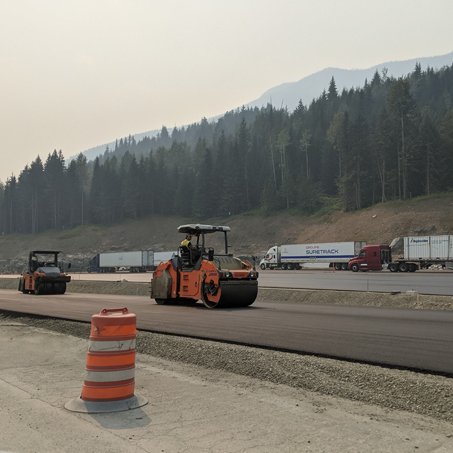
Traffic cones are one of the most commonly used safety tools at construction sites. They help guide vehicles through diversions, mark restricted zones, and indicate work areas.
High-visibility cones with reflective sleeves improve visibility during night operations or low-light conditions. Durable cones made from flexible materials can withstand harsh weather and heavy usage.
Reflective Road Signage
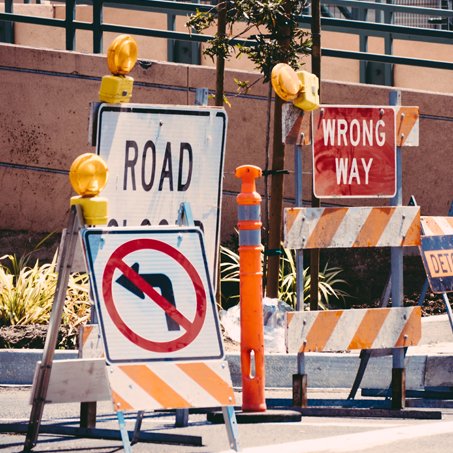
Temporary and permanent reflective road signs play a vital role in communicating warnings, speed limits, lane changes, and detour information. Properly positioned signage allows drivers to react in advance, reducing the risk of sudden braking or collisions.
Construction sites should use standardized reflective signs that remain visible from long distances, especially on highways and high-speed corridors.
Traffic Barricades
Traffic barricades are used to block restricted areas, separate vehicle lanes, and protect workers from moving traffic. They are essential for managing crowd control, defining safe walkways, and preventing unauthorized entry into hazardous zones.
Modern barricades are lightweight yet strong, making them easy to install and relocate as construction phases change.
Lane Delineators
Lane delineators help create temporary traffic lanes in construction zones. They guide drivers through narrow paths and ensure vehicles stay within designated routes.
Flexible delineators reduce vehicle damage during minor impacts and improve safety compliance in busy work zones.
Speed Breakers and Rumble Strips
Speed calming devices such as portable speed breakers and rumble strips are effective in reducing vehicle speed near construction areas. Slower vehicle movement significantly lowers the chances of severe accidents and improves reaction time for drivers.
These devices are especially useful in urban construction projects, industrial premises, and toll road maintenance zones.
Warning Lights and Safety Beacons
Flashing warning lights and safety beacons enhance visibility during night shifts, foggy weather, or low-visibility conditions. They help alert drivers about ongoing construction activities and guide them through safe routes.
Solar-powered safety lights are increasingly popular due to their energy efficiency and ease of installation.
Best Practices for Using Road Safety Equipment
Proper Placement and Spacing
Safety equipment must be strategically positioned to provide clear guidance to drivers. Cones and delineators should be placed at consistent intervals to create predictable traffic patterns.
Regular Inspection and Maintenance
Damaged or faded safety equipment can reduce effectiveness and increase risk. Regular inspections ensure that all signage, barricades, and devices remain visible and functional.
Worker Safety Integration
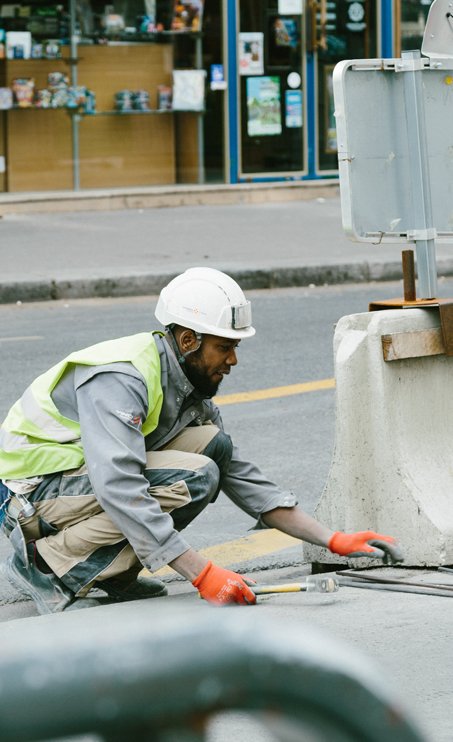
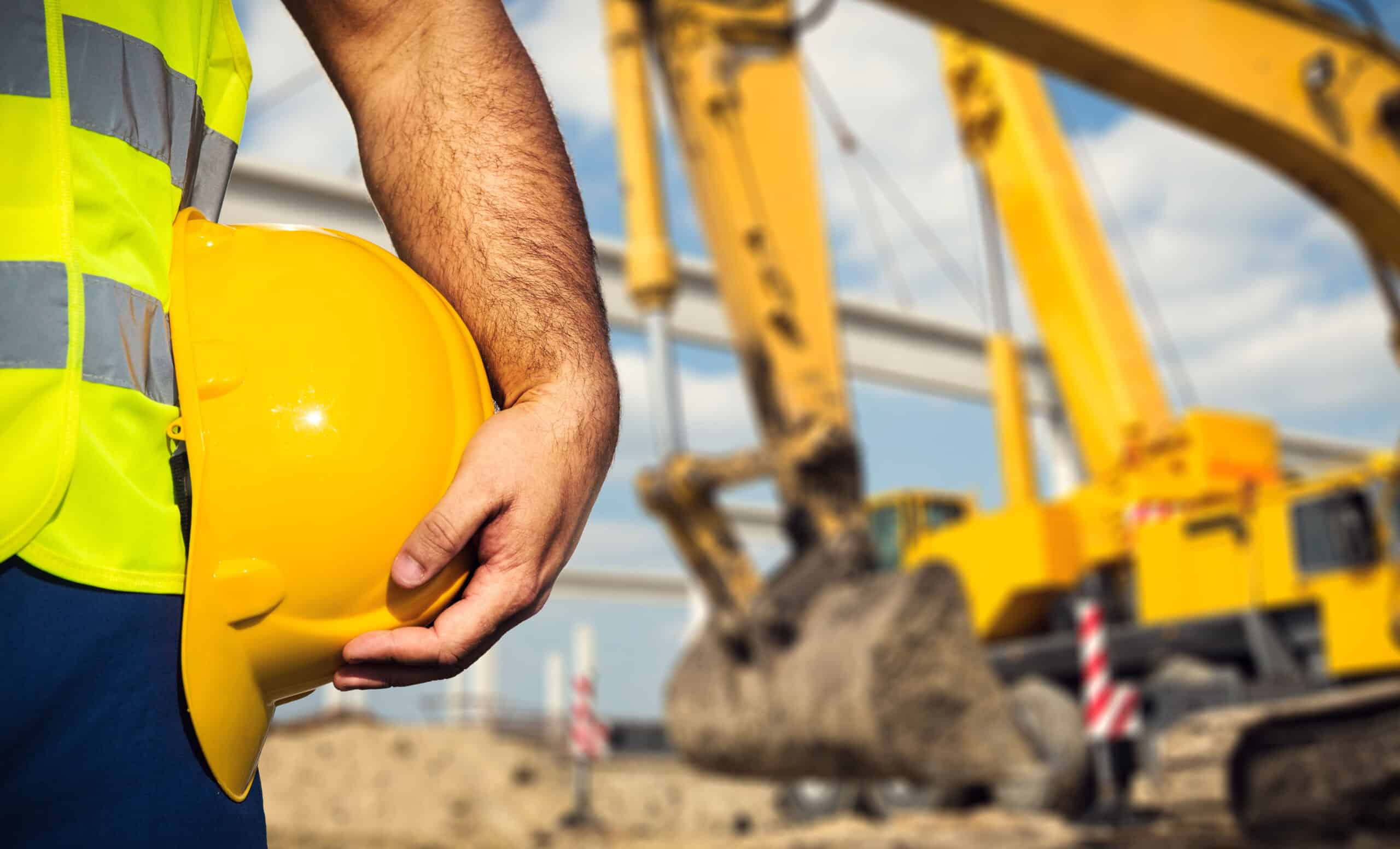
Construction workers should be equipped with personal protective equipment (PPE) such as reflective jackets, helmets, and gloves. Combining PPE with road safety infrastructure creates a comprehensive safety environment.
Compliance with Safety Standards
Following government regulations and industry safety standards ensures legal compliance and reduces liability risks. Using certified safety equipment improves trust among project stakeholders.
Benefits of Investing in Quality Road Safety Equipment
Reduces accident risks and workplace injuries
Improves traffic management efficiency
Enhances visibility and hazard communication
Supports regulatory compliance
Minimizes project delays and operational disruptions
Protects company reputation and workforce morale
Future Trends in Construction Site Safety
With the advancement of technology, construction safety is becoming more intelligent and data-driven. Smart traffic cones with sensors, IoT-enabled barricades, digital warning signage, and real-time monitoring systems are shaping the future of work-zone safety.
Sustainable materials and solar-powered safety devices are also gaining popularity as infrastructure projects move toward eco-friendly practices.
Conclusion
Road safety equipment is a fundamental requirement for safe and efficient construction site operations. From traffic cones and reflective signage to barricades and speed calming devices, each safety product plays a crucial role in protecting workers and managing traffic flow.
By investing in high-quality safety solutions and following best practices, construction companies and infrastructure developers can significantly reduce risks and ensure successful project execution. As construction activities continue to expand across India, the adoption of advanced road safety equipment will remain essential for building safer roads and work environments.