 Introduction
High visibility safety jackets are a crucial part of personal protective equipment (PPE) designed to keep workers visible in low-light and high-risk environments. From construction sites and highways to warehouses and airports, these jackets help prevent accidents by ensuring workers are easily seen.
In industries where safety is a top priority, using the right high visibility clothing is not optional—it’s essential. This guide explains the standards, types, and industry uses of high visibility safety jackets to help you choose the best option.
 What Are High Visibility Safety Jackets?
High visibility safety jackets are specially designed garments made with fluorescent materials and reflective strips. These jackets enhance visibility during both day and night, especially in hazardous conditions.
They are commonly used by:
- Construction workers
- Traffic police and road workers
- Warehouse staff
- Airport ground crews
- Emergency responders
 Safety Standards for High Visibility Jackets
Understanding safety standards is important to ensure compliance and worker protection.
1. ANSI/ISEA Standards (USA)
ANSI standards classify safety jackets based on visibility levels and work environment risks:
- Class 1: Low-risk areas (parking lots, warehouses)
- Class 2: Moderate risk (road work, construction)
- Class 3: High-risk (highways, heavy traffic zones)
2. EN ISO 20471 (International/Europe)
This standard specifies requirements for high visibility clothing used in professional environments.
It focuses on:
- Reflective material quality
- Fluorescent fabric coverage
- Visibility performance
3. IS Standards (India)
In India, safety jackets must comply with BIS standards, ensuring proper reflectivity, color, and durability for industrial use.
 Types of High Visibility Safety Jackets
1. Reflective Safety Vests
Lightweight and easy to wear, these vests are ideal for short-term or low-risk tasks.
Best for:
- Warehouse workers
- Parking attendants
- Event staff
2. High Visibility Jackets (Full Sleeve)
These jackets provide full-body coverage and better protection in harsh conditions.
Best for:
- Construction sites
- Road work
- Industrial environments
3. Waterproof Safety Jackets
Designed for rainy or wet conditions, these jackets combine visibility with weather protection.
Best for:
- Outdoor workers
- Monsoon or winter conditions
- Highway maintenance
4. LED Safety Jackets
Advanced jackets equipped with LED lights for extra visibility in extreme low-light conditions.
Best for:
- Night construction
- Emergency response teams
- Traffic control at night
5. Mesh Safety Jackets
Made from breathable fabric, these jackets are perfect for hot climates and long working hours.
Best for:
- Summer conditions
- Indoor industrial work
- Logistics and warehouse staff
 Industry Uses of High Visibility Jackets
 Construction Industry
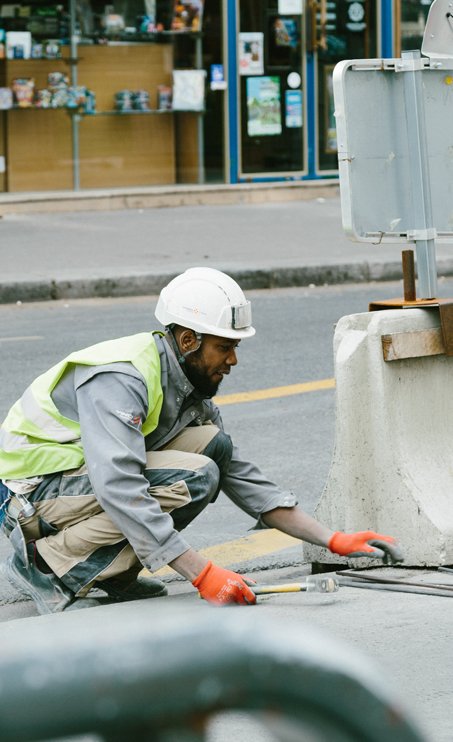
Workers on construction sites face risks from moving machinery and vehicles. High visibility jackets ensure they remain visible at all times.
 Road & Traffic Management
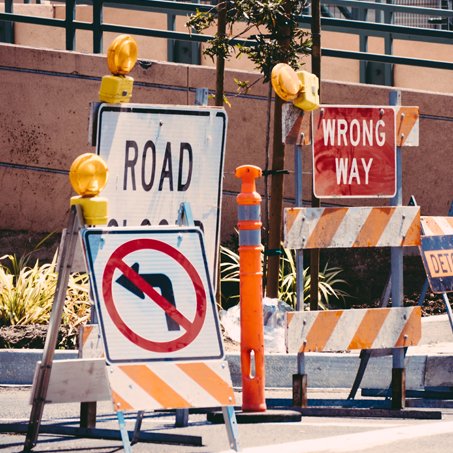
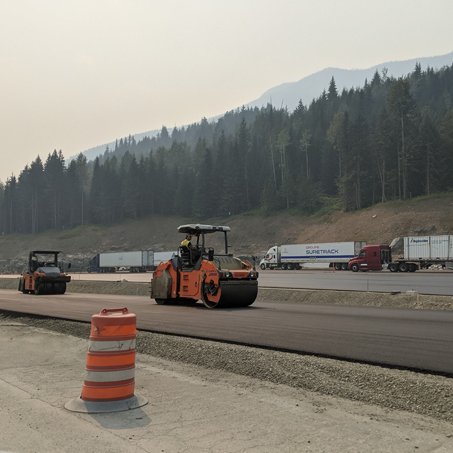
Traffic police and road workers rely on these jackets to stay visible to drivers, especially in low-light or high-speed traffic conditions.
 Industrial & Warehouse Operations
In warehouses and factories, visibility is critical to avoid accidents involving forklifts and heavy equipment.
 Airports & Aviation
Ground staff working near aircraft use high visibility jackets to remain visible in busy and noisy environments.
 Emergency Services
Police, firefighters, and rescue teams depend on high visibility gear to operate safely during emergencies, especially at night.
 Benefits of High Visibility Safety Jackets
 Reduces risk of accidents and injuries
- Enhances visibility in low-light conditions
- Ensures compliance with safety regulations
- Improves worker confidence and safety awareness
- Suitable for multiple industries
 How to Choose the Right Safety Jacket
1. Work Environment
Choose based on risk level:
- Low risk → Basic vest
- High risk → Full jacket with reflective strips
2. Visibility Level
Ensure the jacket has:
- Bright fluorescent colors (yellow, orange)
- High-quality reflective tape
3. Comfort & Material
- Mesh fabric for hot weather
- Waterproof material for rain
- Durable fabric for industrial use
4. Compliance
Always select jackets that meet ANSI, EN ISO, or BIS standards for maximum safety.
5. Fit & Design
A proper fit ensures comfort and allows workers to move freely without restrictions.
 Why Quality Matters
Low-quality safety jackets may fade, lose reflectivity, or tear easily, reducing their effectiveness. Investing in high-quality jackets ensures:
- Long-lasting performance
- Better visibility
- Compliance with safety regulations
- Cost savings over time
 Frequently Asked Questions
What is a high visibility safety jacket?
It is a protective garment designed with reflective materials to improve visibility in hazardous environments.
Which color is best for safety jackets?
Fluorescent yellow and orange are the most effective colors for visibility.
Are reflective jackets mandatory?
Yes, in many industries and projects, wearing high visibility jackets is required for safety compliance.
Can safety jackets be used at night?
Yes, reflective strips on the jacket enhance visibility during nighttime conditions.
 Conclusion
High visibility safety jackets are a vital component of workplace safety across multiple industries. By improving visibility and ensuring compliance with safety standards, they help reduce accidents and protect workers in hazardous environments.
Choosing the right type of jacket based on your industry, environment, and risk level can significantly enhance safety and efficiency. Investing in high-quality safety gear is not just a requirement—it’s a responsibility.