What Is EHS? A Complete Guide to Environment, Health, and Safety in Modern Workplaces
Environment, Health, and Safety (EHS) is a framework designed to protect employees, workplaces, and the environment from hazards and risks. In industries such as construction, manufacturing, logistics, and infrastructure, EHS plays a crucial role in preventing accidents, ensuring legal compliance, and improving operational efficiency.
Organizations that implement proper EHS practices create safer workplaces, reduce risks, and increase productivity. Using certified safety equipment such as personal protective equipment (PPE), fire protection systems, and traffic safety solutions helps businesses maintain safety standards and protect their workforce.
What Does EHS Stand For?
EHS stands for:
Environment: Protecting the environment from harmful industrial activities, pollution, and improper waste disposal.
Health: Ensuring employees are physically and mentally healthy by minimizing exposure to harmful substances and unsafe conditions.
Safety: Preventing workplace accidents, injuries, and hazards by using proper safety procedures and equipment.
Together, these three elements help organizations maintain safe and sustainable operations.
Why Is EHS Important in Modern Workplaces?
Protects Employees from Hazards
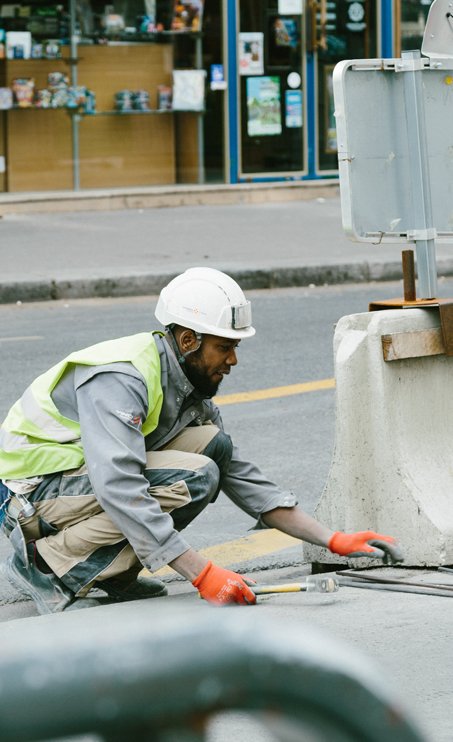
Industrial workplaces often involve risks such as heavy machinery, falling objects, fire hazards, and electrical exposure. Providing proper safety equipment like helmets, gloves, and protective gear significantly reduces injuries.
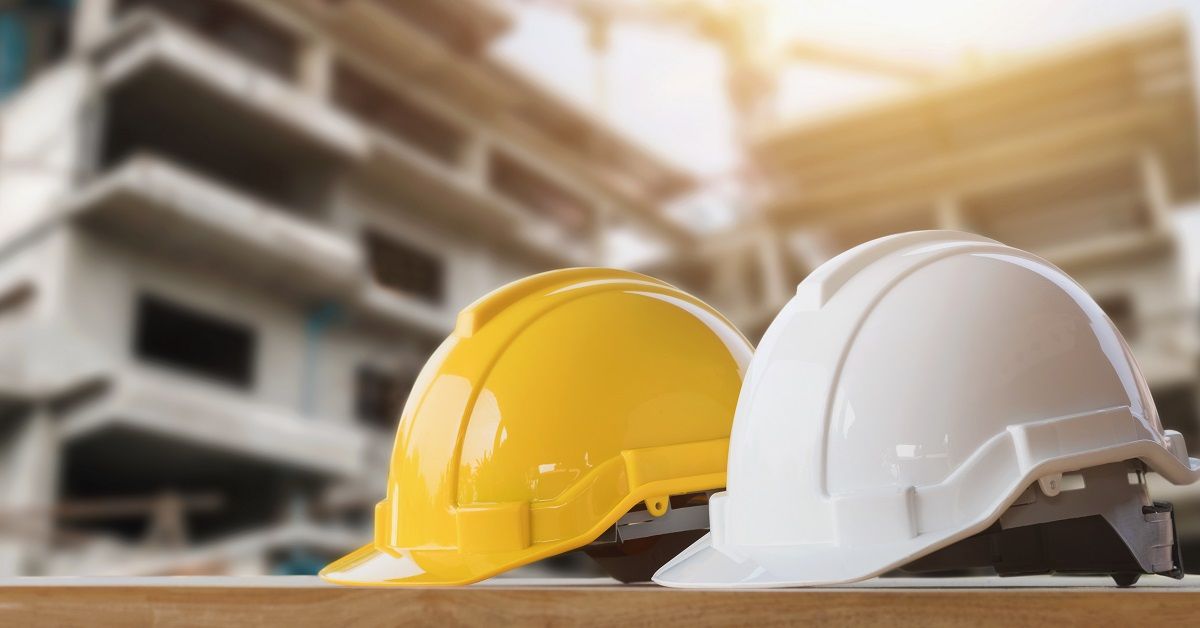
Companies can improve workplace safety by using certified industrial safety equipment such as PPE, helmets, gloves, and protective accessories. These products help ensure worker safety and EHS compliance.
Ensures Legal and Regulatory Compliance
Every organization must follow workplace safety regulations. EHS helps companies comply with safety laws, avoid penalties, and improve operational reliability.
Compliance also enhances company credibility and builds trust with clients and employees.
Reduces Workplace Accidents and Downtime
Accidents can cause injuries, production delays, and financial losses. Implementing proper EHS systems helps prevent incidents and ensures smooth operations.
Using quality safety equipment and workplace protection solutions significantly reduces risks.
Industrial Safety Equipment in EHS
Industrial safety equipment plays a critical role in protecting workers from hazards. Personal protective equipment helps reduce exposure to physical and environmental risks.
Essential safety equipment includes:
- Safety helmets
- Safety gloves
- Safety shoes
- Face shields
- Respiratory protection
- Reflective jackets
Organizations can improve workplace safety by investing in high-quality PPE and industrial safety equipment that meets safety standards and protects employees.
Road Safety Equipment and Workplace Protection
Road safety is an important part of EHS, especially in construction sites, factories, warehouses, and parking areas.
Traffic safety equipment helps control vehicle movement and prevent accidents.
Common road safety products include:
- Traffic cones
- Barricades
- Road studs
- Speed breakers
- Reflective warning signs
Using certified road safety equipment helps improve traffic control and workplace safety.
Fire Safety Equipment in EHS
Fire hazards are among the most serious workplace risks. Proper fire safety systems help protect employees and property during emergencies.
Fire safety equipment includes:
- Fire extinguishers
- Fire hydrant systems
- Fire protection accessories
Installing reliable fire safety equipment ensures emergency preparedness and workplace protection.
Common Workplace Hazards EHS Helps Prevent
EHS systems help prevent various workplace hazards, including:
- Fire accidents
- Electrical hazards
- Chemical exposure
- Slip and fall accidents
- Machinery accidents
- Traffic accidents
- Falling objects
Using proper safety systems and protective equipment significantly reduces these risks.
Benefits of Implementing EHS
Reduces Workplace Injuries
proper protective equipment and safety training protects employees.
Improves Productivity
Employees work more efficiently in safe and secure environments.
Reduces Financial Loss
Preventing accidents reduces medical costs, downtime, and legal expenses.
Improves Company Reputation
Companies with strong safety standards gain trust from clients and employees.
Ensures Long-Term Sustainability
EHS helps organizations operate responsibly and sustainably.
How to Implement EHS in Your Organization
Identify Hazards
Conduct regular workplace inspections and risk assessments.
Provide Safety Equipment
Use certified workplace safety equipment to protect employees.
Train Employees
Educate workers about safety procedures and hazard prevention.
Install Safety Systems
Use proper fire protection and traffic safety solutions to prevent accidents.
Monitor and Improve
Continuously improve safety practices and systems.
Why Workplace Safety Equipment Is Essential for EHS
Safety equipment plays a vital role in protecting employees and preventing workplace accidents. PPE, fire safety systems, and traffic safety products help organizations maintain safe working environments.
Ladwa Solutions Inc provides complete workplace safety solutions including industrial safety equipment, fire safety systems, and road safety products to help organizations achieve their EHS goals.
Conclusion
Environment, Health, and Safety (EHS) is essential for protecting employees, ensuring compliance, and improving workplace efficiency. Implementing proper safety practices and using certified safety equipment helps reduce risks and prevent accidents.
Organizations that prioritize EHS create safer workplaces, improve productivity, and achieve long-term success. Investing in workplace safety is not just a legal requirement—it is a responsibility toward employees and the organization’s future.